
Governance
Leadership & Governance
Our leadership
The people who lead the Association
Executive Committee
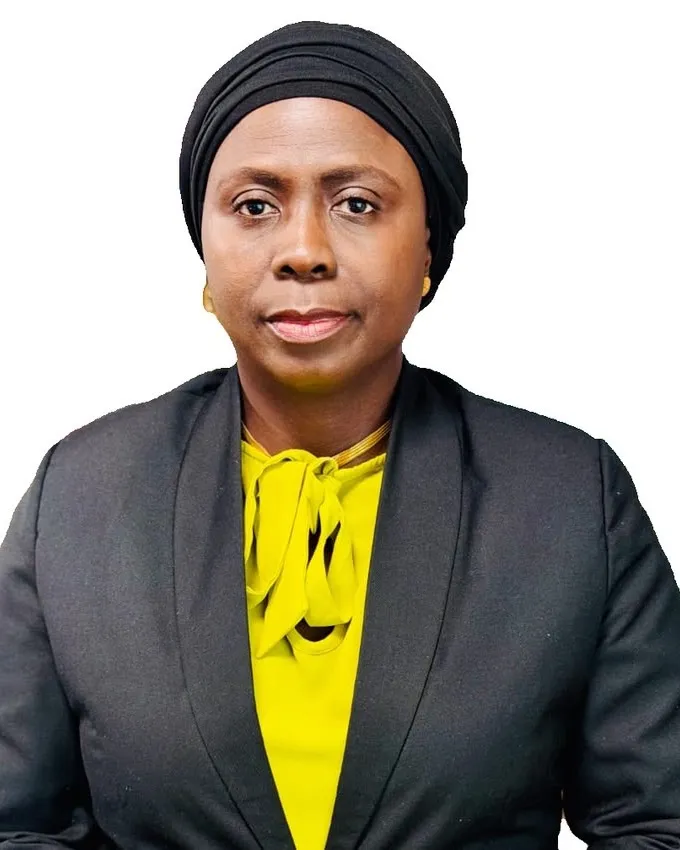
Mrs. Isatou Jawara
President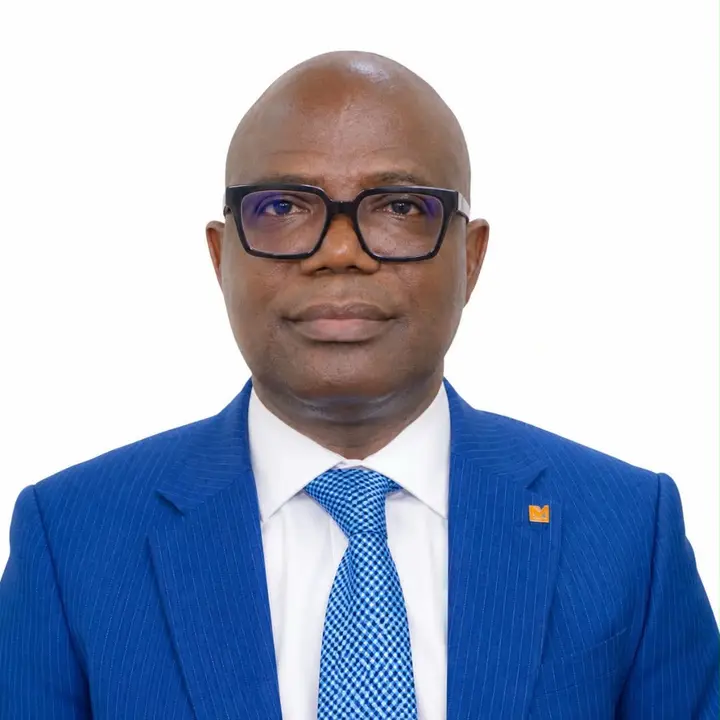
Mr. Stephen Abban
Vice President
Secretariat
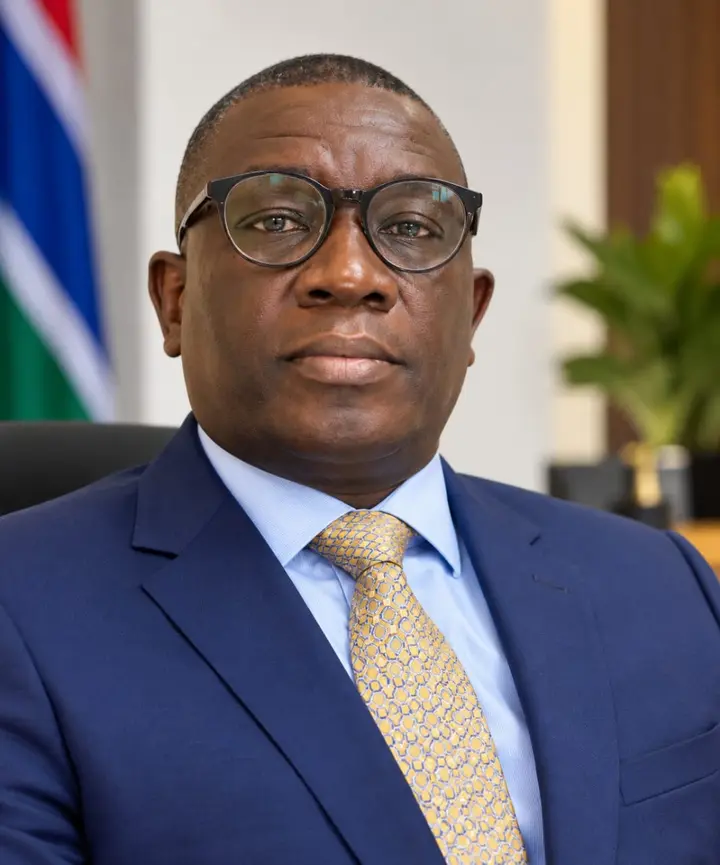
Mr. Pa Alieu N'dow
Executive Secretary
Mr. Ebrima Bah
Chief Finance Officer
How the Association is governed
Accountable to its members
Ultimate authority rests with the member banks, which meet in General Meeting. Members set the direction of the Association, elect its office-holders, approve its budget and agree the positions it takes on their behalf.
Between General Meetings, an Executive Committee of elected office-holders oversees the work of the Association. Technical committees, made up of specialists nominated by member banks, examine issues in their fields and advise the Executive Committee.
A Secretariat, led by an Executive Secretary, manages the Association day to day. It coordinates committees, maintains records, prepares publications and serves as the first point of contact for regulators, partners and the public.
Governance bodies
How responsibilities are divided
General Meeting
The assembly of all member banks and the highest decision-making body of the Association.
- Elects office-holders
- Approves the budget and accounts
- Agrees strategic priorities
- Amends the constitution
Executive Committee
Elected office-holders who provide leadership and oversight between General Meetings.
- Sets the work programme
- Approves industry positions for engagement
- Oversees finances and the Secretariat
- Reports to members
Technical committees
Groups of practitioners nominated by member banks who examine issues in a specialist field.
- Analyse regulatory proposals
- Draft industry responses
- Share good practice
- Advise the Executive Committee
Secretariat
The permanent staff of the Association, led by the Executive Secretary.
- Manages daily operations
- Coordinates committees and meetings
- Keeps records and minutes
- Handles external enquiries
The offices
Principal offices of the Association
- Office
- President
- Role
- Elected head of the Association and its principal spokesperson
- Typical responsibilities
- Chairs General Meetings and the Executive Committee; leads engagement with the Central Bank, government and stakeholders; represents the agreed views of members in public
- Office
- Vice-President
- Role
- Elected deputy to the President
- Typical responsibilities
- Deputises for the President when required; leads assigned initiatives; supports continuity of leadership
- Office
- Treasurer
- Role
- Elected office-holder responsible for financial oversight
- Typical responsibilities
- Oversees the budget, subscriptions and accounts; presents financial reports to members; ensures funds are used for approved purposes
- Office
- Executive Secretary
- Role
- Head of the Secretariat, appointed by the Association
- Typical responsibilities
- Implements decisions of the Executive Committee; manages staff and operations; coordinates committees; maintains records and correspondence
Governance principles
Standards the Association holds itself to
- Decisions and the reasons for them are communicated openly to members
- Office-holders and committee members declare any conflict of interest before a matter is discussed
- Positions presented on behalf of the industry are agreed collectively by members
- Competitors never discuss prices, interest rates, fees, customers or commercial strategy at Association meetings
- Meetings follow an agenda, and minutes and records are kept and retained
- Office-holders and the Secretariat are accountable to members for their performance and use of funds
Decision-making
How an industry position is reached
- 1
Issue identified
A regulatory proposal, emerging risk or member concern is raised with the Secretariat or the Executive Committee.
- 2
Referred to a committee
The relevant technical committee examines the issue, assesses its effect on the industry and prepares a recommendation.
- 3
Members consulted
The recommendation is circulated to member banks for comment so that every member can contribute.
- 4
Position agreed
The Executive Committee, or the General Meeting where required, agrees the final position.
- 5
Engagement and follow-up
The Association communicates the position to the relevant authority and reports the outcome to members.
Last updated